Wishlist
Answer: Remove these 20 things from your kitchen counter now (and why)
To reclaim usable workspace, safety and a cleaner look, stop keeping these 20 everyday items on your kitchen counter: large cutting boards, knife blocks, pot lids, extra small appliances you rarely use, mail and keys, spice jars that don’t fit a rack, open pantry bags, cleaning bottles, unopened boxes, piles of dishes, paper towels on the roll (if space allows), dish racks after drying, fruit that overripens, ugly storage containers, charging phones, pet bowls, bulky serving platters, grocery bags, expired coupons/receipts, and decorative clutter that serves no function.
Below I explain the reasoning for each item, practical storage alternatives, and a few smart exceptions so you can decide what to move, where to move it, and when keeping something on the counter still makes sense.
Why clearing these specific items helps
“Kitchen counter clutter” cuts into workflow, creates hygiene and safety hazards, and makes your kitchen feel smaller. Clearing non-essential items improves cooking ergonomics—more prep space means fewer cross-contamination issues, fewer accidental spills or knocks, and an easier-to-clean surface. Many items belong nearby but not on the main prep surface: in drawers, cabinets, wall-mounted racks, or a designated landing station.
20 items, one-sentence reason and where to store them
- Large cutting boards: They block prep area; store vertically on a cabinet shelf or in a slim organizer.
- Knife blocks: Take up space and collect crumbs; use a magnetic strip or in-drawer block for safety and access.
- Pot lids: Bulky and awkward; keep them in a cabinet lid organizer or on a mounted rack.
- Rarely used small appliances (e.g., waffle maker): Move to a cabinet or pantry—rotate into counter use only before you need them.
- Mail and keys: They invite paper clutter; consolidate at an entryway tray or mounted mail sorter.
- Loose spice jars: A messy spice collection slows cooking; group in a drawer spice organizer or a wall rack.
- Open pantry bags (flour, rice): Attract pests and spill; transfer to airtight containers in the pantry.
- Cleaning sprays and sponges: Store under the sink in a caddy to avoid splashes and visual clutter.
- Unopened boxes (cereal, snacks): Stack in pantry bins to free counter sightlines.
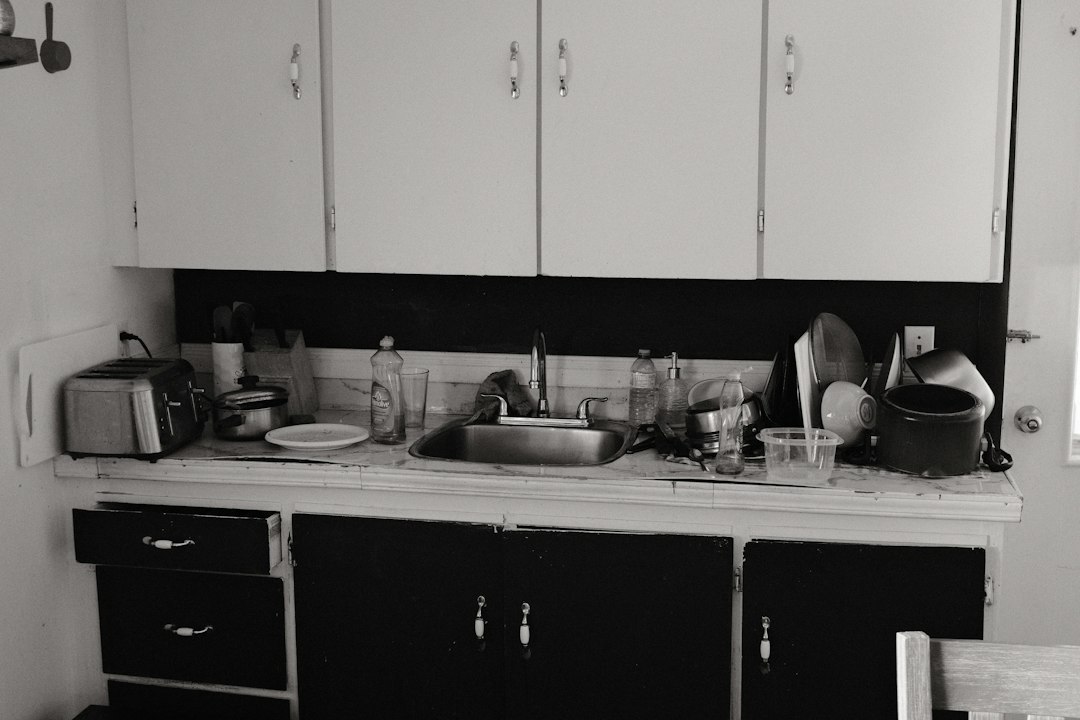
- Piled dirty dishes: They breed bacteria and stress; rinse and load dishwasher or use a compact drying rack tucked away.
- Paper towel roll (when permanent): Consider a cabinet-mounted holder or keep a single roll in a drawer for quick access.
- Dish racks left out after drying: Store collapsible racks in a cabinet and only use when needed.
- Fruit bowls that overfill: Rotate produce into the fridge or a pantry shelf—only keep what you’ll eat within days.
- Exposed storage containers and lids: Nest lids in a drawer organizer and stack containers in a cabinet.
- Charging phones and cables: Move to a charging station in a drawer or nearby shelf to prevent spills and counter clutter.
- Pet bowls: Keep bowls on a low tray or in a mudroom rather than the main prep counter.
- Large serving platters: Hang on a wall or store vertically in a cabinet to free counter space.
- Grocery and reusable bags: Store in a hook or bin near the door, not stacked on the counter.
- Expired coupons, receipts and paperwork: Establish a weekly paper purge and keep an inbox file elsewhere.
- Non-functional decorative items: Replace with one or two meaningful pieces or relocate decor to a shelf.
Exceptions and nuance: when leaving something on the counter makes sense
Not everything should be banished. Everyday-use items that support morning or evening routines can stay if they’re contained and out of the primary prep zone. Examples: a daily coffee maker station (one drip brewer, a mug, and a sugar jar) or a fruit bowl with a modest amount of fruit you eat within a few days. The rule of thumb: if an item is used at least three times a week and doesn’t block workspace, it’s fine to keep.
Practical storage swaps that free the most space
- Install a magnetic knife strip to free significant counter real estate and make knives more visible and sanitary.
- Use a vertical pot lid organizer or cabinet-mounted lid rack to reclaim a broad stretch of counter—this is one of the highest-impact swaps.
- Put small appliances on a lower pull-out shelf or an upper pantry shelf; keep one “everyday” appliance out if needed.
- Adopt clear, stackable airtight containers for pantry staples to reduce visual clutter and pest risk.
Besides making counters usable, these swaps reduce daily cleanup time. The pot lid organizer shown above is a simple example: moving lids out of a crowded prep zone instantly opens space and prevents lids from falling or trapping moisture.
One product suggestion that solves multiple problems
If lids and cookware are eating your counter space, a sturdy vertical pot lid organizer is the quickest fix: it stores lids neatly, keeps them dry, and tucks into a cabinet or on the counter edge depending on your layout. For many kitchens this single item removes clutter equivalent to clearing two small appliances.

- Identify the 5 items you use less than three times a week.
- Choose a storage destination: drawer, cabinet, mounted rack, or pantry.
- Buy one high-impact organizer (knife strip or pot lid rack).
- Set a weekly 10-minute counter reset habit.
Clearing 20 specific everyday items from your kitchen counter instantly improves workspace, safety and cleanliness. Keep a small number of truly daily essentials out and move everything else into designated storage so the counter works for cooking, not as a catchall.
What should always stay on the kitchen counter?
Only items used daily and that fit the prep workflow—think a single coffee maker or a knife strip—not anything that blocks core prep space.
How do I store pot lids if I don’t have cabinet space?
Use a vertical organizer inside a cabinet door, a narrow freestanding rack inside a pantry, or a wall-mounted rack to save flat counter area.
Are knife blocks unsafe to keep on counters?
Not necessarily unsafe, but they take space and can harbor crumbs; a magnetic strip or in-drawer block is usually cleaner and more space-efficient.
How often should I clear the counter?
Ten minutes daily or a weekly 10–15 minute reset keeps clutter from returning and prevents build-up of papers and dishes.
Can decorative items stay on counters if I want them there?
Yes—limit decoration to one or two pieces and place them away from the main prep zone so they don’t reduce usable space.