Wishlist

Living in a small apartment means every inch counts. The right space-saving storage ideas change a cramped, cluttered feel into a calm, usable home—often without major renovations. Below are 17 practical tactics you can implement room by room, mixing quick wins you can do this weekend with a few slightly deeper fixes that pay off over time.
Think vertically: use wall and ceiling real estate
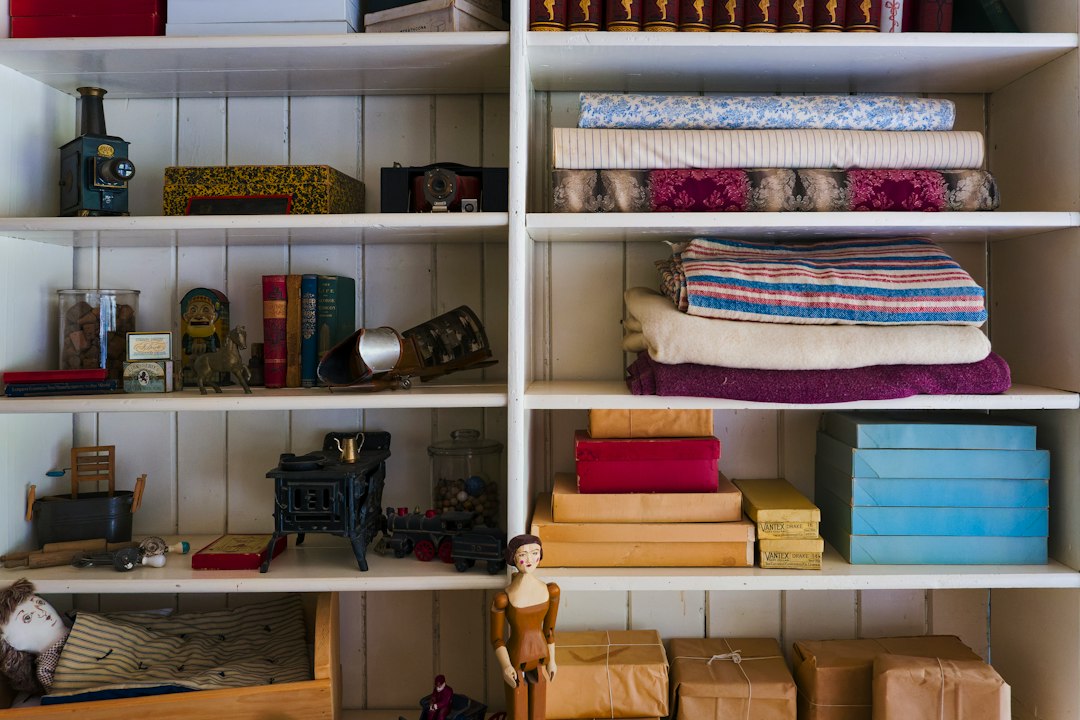
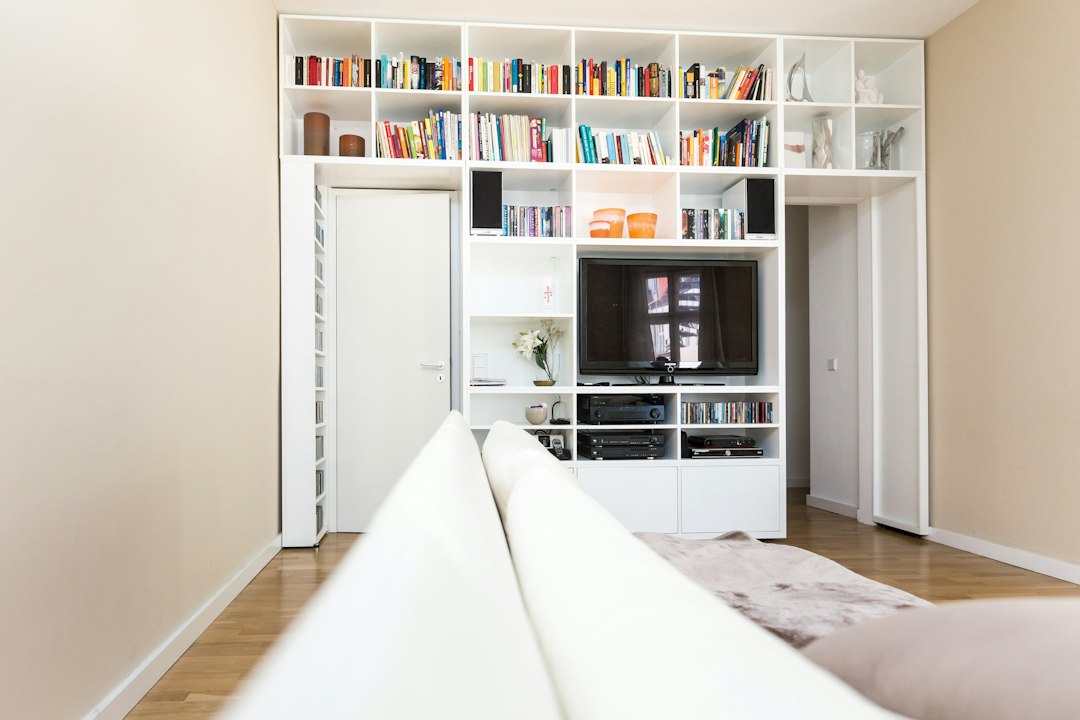
When floor area is limited, go up. Install tall bookcases or open shelving that reach near the ceiling to store books, baskets, and seasonal items. Add a high-mounted shelf above door frames for items you rarely use. In kitchens, a wall-mounted pot rack or magnetic knife strip frees counter and drawer space while keeping essentials visible.
Under-bed and under-sofa storage—easy and high-capacity
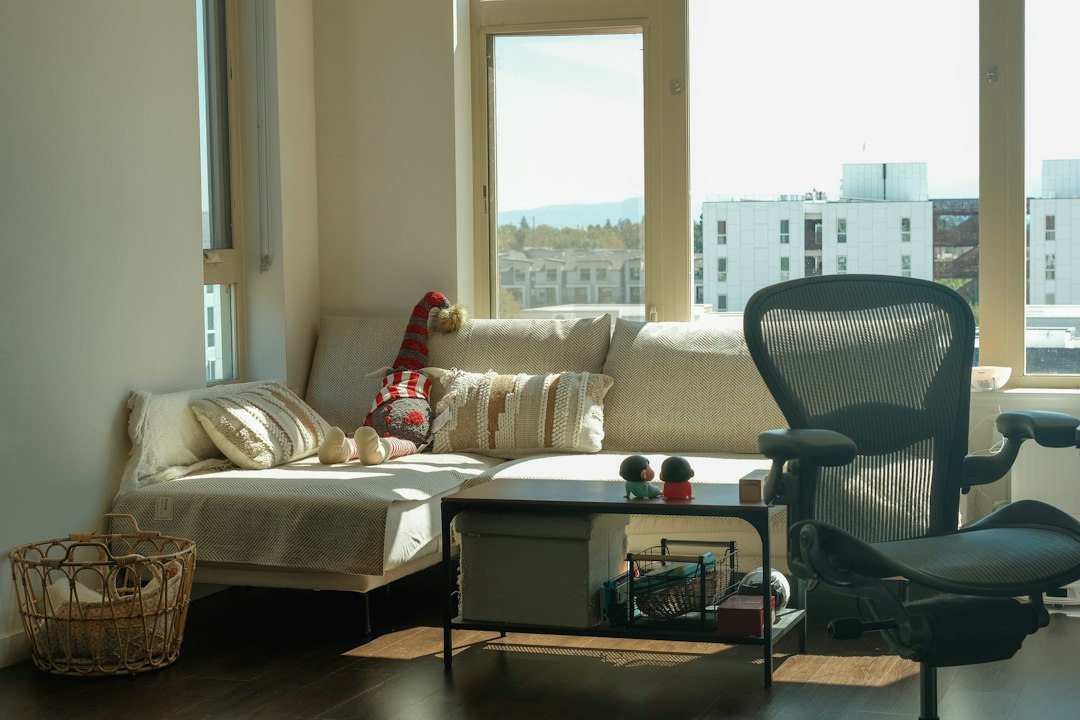
Under-bed storage is low-effort and high-reward. Use shallow rolling bins for out-of-season clothes, paperwork, or spare linens. If your bed is low, raise it on risers or swap it for a platform model with drawers. The same idea applies to sofas—slim pull-out bins or vacuum bags tucked under a couch are ideal for bulky items like winter coats or holiday decor.
Choose multi-purpose furniture
Invest in pieces that work double duty: a storage ottoman for blankets and remote controls, a bed with built-in drawers, or a coffee table with shelving. For studio layouts, a sleeper sofa with under-seat storage or a loft bed with a workspace underneath can instantly multiply your usable square footage.
Use the backs of doors and narrow vertical pockets
Over-the-door organizers are perfect for shoes, cleaning supplies, toiletries, or pantry snacks. Narrow vertical pockets and hooks can hold hair tools, umbrellas, or even canned goods in a kitchen pantry where deep shelving would be wasted.
Divide and conquer with closet systems
Closet clutter often comes from poor organization, not lack of space. Add a second hanging rod, slim shelves for folded items, and clear bins for accessories. Use uniform hangers to save shoulder-to-shoulder space and label boxes so you don’t unpack every container searching for one item.
Use furniture as partitions and storage
Open shelving units or sideways bookcases can act as room dividers while providing double-sided storage. In small studios, a bookshelf between the bed and living area gives separation without needing a wall—and it’s useful real estate for baskets, plants, and files.
Optimize small kitchens with rail systems and stacking
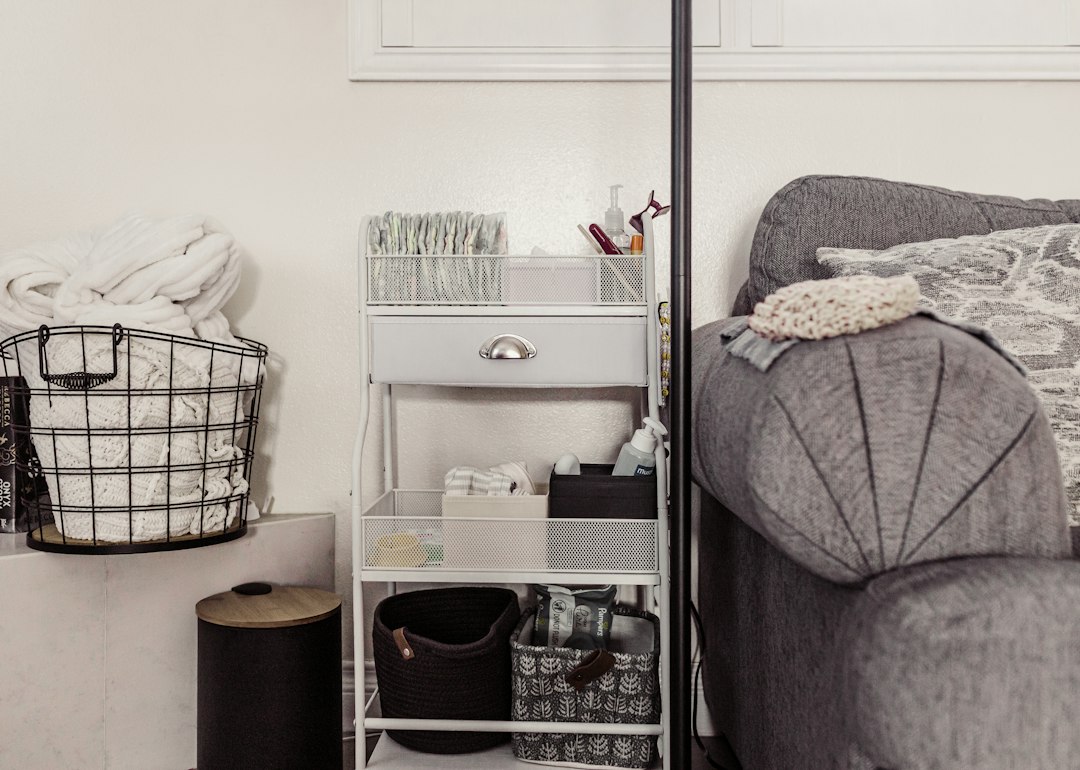
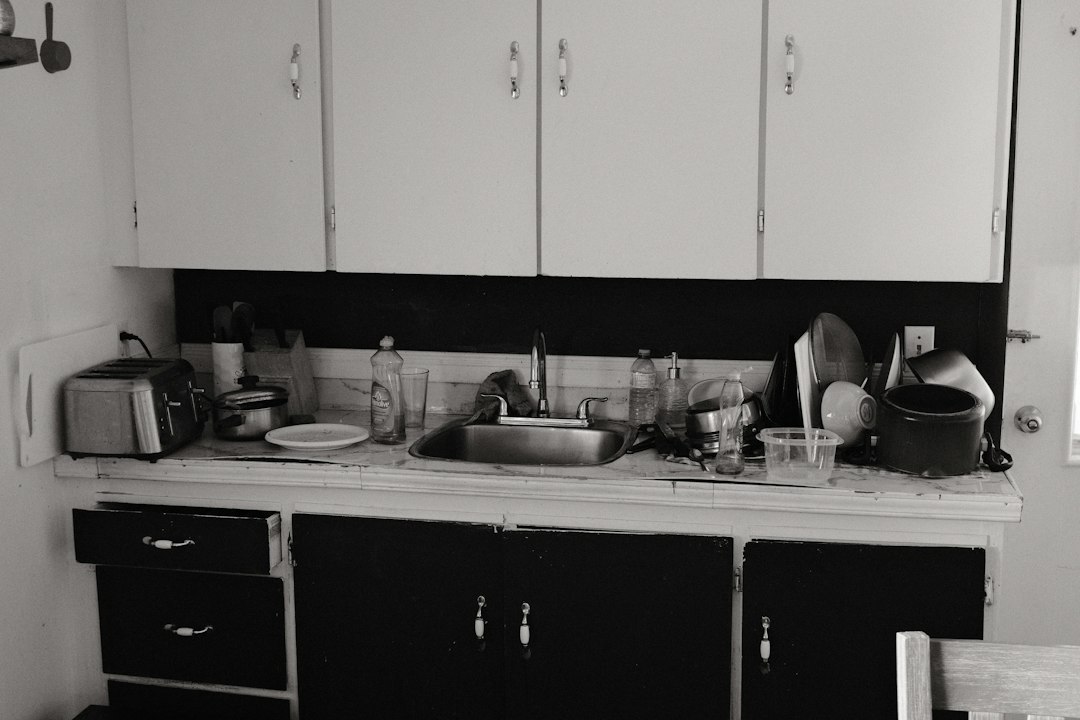
Shelving rails, hanging baskets, and pegboards let you free counter space. Stackable containers in the pantry and nesting pots and bowls reduce volume. For tiny kitchens, consider adding a rolling cart with drawers that can be parked under a counter when not in use.
Make the bathroom work harder
Bathrooms benefit from over-the-toilet shelving and slim, vertical storage. These solutions use wasted wall space and keep toiletries and towels tidy. Corner shelves in showers and adhesive-mounted racks can add storage without drilling.
Hidden storage: think under stairs, inside benches, and hollow furniture
Hidden compartments are psychologically and practically powerful—out of sight, out of clutter. Bench seating with lift-up lids stores shoes or laundry; hollow ottomans hold kids’ toys; and built-in window seats can become sizable linen closets. Even DIY solutions—like tucking a slim file box behind a radiator—make a difference.
Use baskets and labeled bins for visual order
In small spaces, a tidy container system reduces visual noise. Group similar items in baskets and label them: “office,” “crafts,” “cables.” Uniform containers on open shelving look cleaner and make it easier to maintain order.
Go small with modular and collapsible storage
Collapsible laundry baskets, folding drying racks, and stackable crates are invaluable because they disappear when not needed. These are especially useful in seasonal cycles—store extra sets during off-seasons then unfold them when required.
Corral cables and under-desk clutter
Under desks, use small rolling drawers or a mounted tray to keep chargers, external drives, and stationery contained. Cable sleeves and clips keep cords from forming a tangled mess that eats visual space.
Mount your TV and floating desks to free floor space
Wall-mounted TVs eliminate bulky stands and open the floor for storage or a narrow console. Floating desks fold away or stay slim against a wall, creating a small home office without dedicating a whole corner to a traditional desk.
Rotate and purge seasonally
Set a twice-yearly routine: pull out seasonal clothes and household items, decide what to keep, donate, or store off-site. Regular culling prevents accumulation and keeps storage systems working efficiently.
Designate “landing zones” for daily items
Create a small entry station with hooks for coats, a slim shoe rack, and a basket for mail and keys. It saves time and prevents small items from drifting into living areas and creating clutter.
Use vertical shoe storage in closets or behind doors
Shoe shelves that run up a closet wall or hanging shoe pockets behind doors reclaim floor space and keep footwear visible—so you stop buying duplicates.

Plan one tweak that changes everything
Rather than chasing dozens of small fixes, pick one high-leverage change: add a tall shelving unit in your living room, swap to a bed with drawers, or install an over-the-toilet unit in the bathroom. Small apartments respond strongly to a single, well-placed intervention.
- Identify the one zone where clutter builds first (kitchen counter, entry, or bed area).
- Measure available vertical space before buying shelving or tall furniture.
- Choose multi-purpose furniture only if it solves a current storage need.
- Use clear or labeled bins for frequently rotated items.
- Plan a seasonal purge schedule and stick to it.
Small apartments become far more livable when you prioritize vertical solutions, hidden compartments, and multi-use furniture. Start with one meaningful change—like over-the-toilet shelving or under-bed drawers—and build a system that matches how you actually live.
What storage idea gives the biggest impact for small apartments?
Adding tall, anchored shelving or swapping to a bed with built-in drawers usually frees the most usable space quickly.
Are over-the-toilet shelves worth it in tiny bathrooms?
Yes—these units use vertical space the toilet leaves empty and typically add several shelves for towels and toiletries without reducing floor area.
How do I choose between hidden storage and open shelves?
Pick hidden storage for visually busy or mismatched items; use open shelves for frequently used things you want easy access to and to display neatly.
Can I install shelving without drilling into walls?
Yes—freestanding tall shelves, tension rods, and adhesive mounting options exist, though their load capacity is lower than anchored systems.
What’s the best way to store seasonal clothes in a small apartment?
Use vacuum bags or under-bed bins, and rotate items seasonally while keeping a minimalist "wear-all-season" capsule in your main closet.