Wishlist
You're standing in front of a countertop heaped with mail, keys and a half-open junk drawer — again. Imagine that same countertop clear, an inbox tray for essentials and one small basket for things that still need attention. That outcome is what "declutter your home" looks like in daily life: fewer decisions, less visual noise, and systems that stop clutter from coming back.
This guide shows a practical room-by-room process that ends with tidy, maintainable spaces. Read the quick sequence, then use the detailed sections for each room you’ll tackle.
Big picture plan: order, rules and rhythm
Start with an order that builds momentum: entryway → kitchen → living room → bedroom(s) → bathrooms → utility spaces (garage, laundry, storage). The entryway and kitchen affect daily flow, so clearing them first makes the rest feel easier. Work one room completely before moving on — partial fixes usually rebound.
- Set a timer: 30–90 minutes per session depending on the room size.
- Use three sorting zones: Keep, Remove (donate/sell/recycle), and Trash.
- Apply simple decision rules: if you haven’t used it in 12 months, it’s a candidate to remove; duplicates—keep the best; sentimental items go into a dedicated box only after you limit other keeps.
Entryway: make arrivals and departures effortless
Why first: it’s the threshold you see daily, and clearing it changes how the whole home feels.
- Empty every surface. Sort shoes, mail, bags into the three zones.
- Keep only daily essentials in reach: one tray for keys, one hook for coats, one bin for shoes that are used often.
- Donate seasonal items you won’t use this season. Label a small basket "action" for items that need follow-up, then commit to clearing it weekly.
Kitchen: clear the counters, then the cabinets
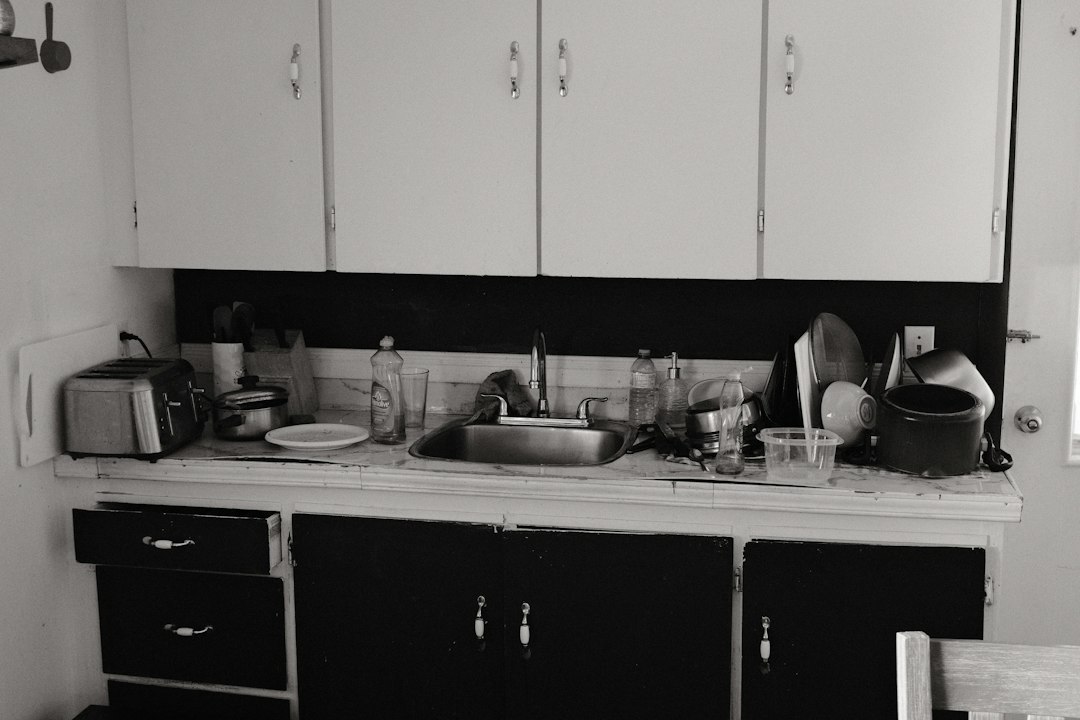
Start with counters so you immediately reclaim usable space. Clear all appliances and gadgets off the counters; put back only items you use daily.
- Work cabinet by cabinet. Pull everything out, wipe shelves, and only return items you use regularly.
- Group similar items (baking, prep, small appliances). Consider a small "donate" box for duplicates: two mixers? Keep one.
- Deal with plastics and lids: discard warped containers; match lids to a single container or recycle mismatched lids in a separate bin.
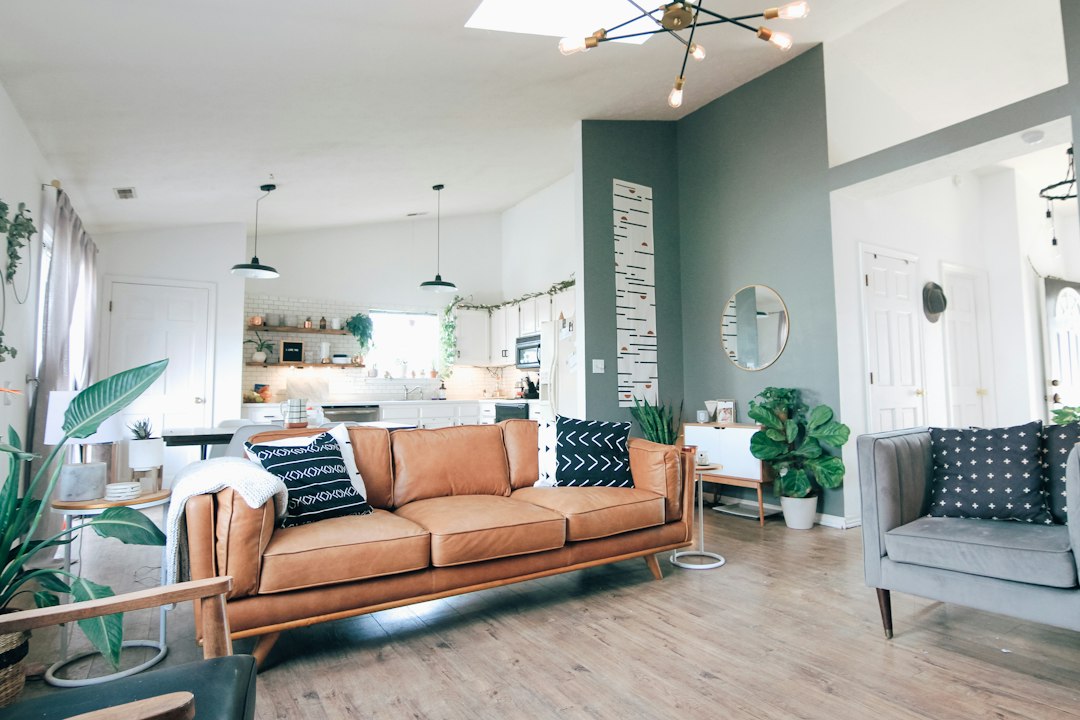
Living room: reduce visual clutter with smart storage
Goal: clear sightlines while keeping living essentials accessible.
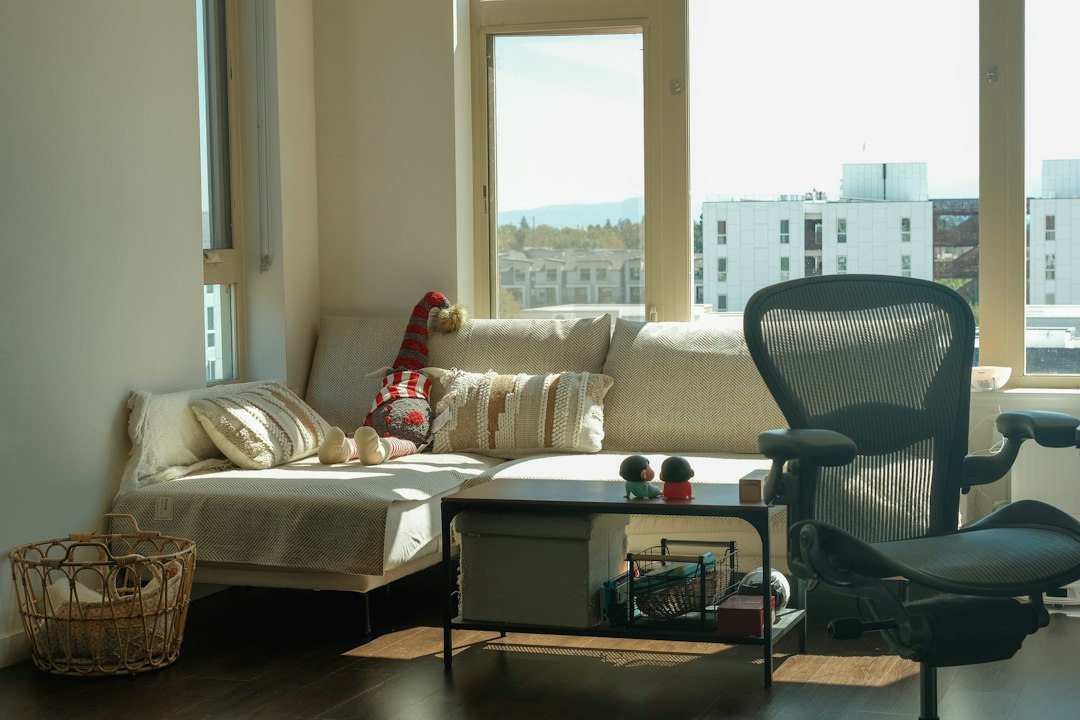
- Sort items on coffee tables and shelves into zones. Keep books and remote controls, but hide cords and chargers.
- Use multi-use furniture: storage ottomans or baskets make a big difference. A storage ottoman is ideal for extra throws, kids’ toys, or game controllers.
When you want compact hidden storage that doubles as seating, a round storage ottoman fits small living rooms and keeps surfaces clear.
Bedroom: reduce decision fatigue where you rest
A calm bedroom starts with clothes. Sort your wardrobe into keep, mend, donate, discard. Try everything on only if you’re unsure; otherwise follow the 12-month rule for seasonal items.
- Use under-bed boxes for off-season clothes and keep daily wear front-and-center.
- Clear the top of dressers—limit surface items to one lamp and one small tray for essentials.
- If sentimental items create clutter, box them and date the box; if you don’t revisit it within a year, consider donating.
Bathroom: tiny space, big payoff
Bathrooms are easy to overfill. Remove expired products first. Keep daily essentials on the counter or in a single tray and store backups elsewhere.
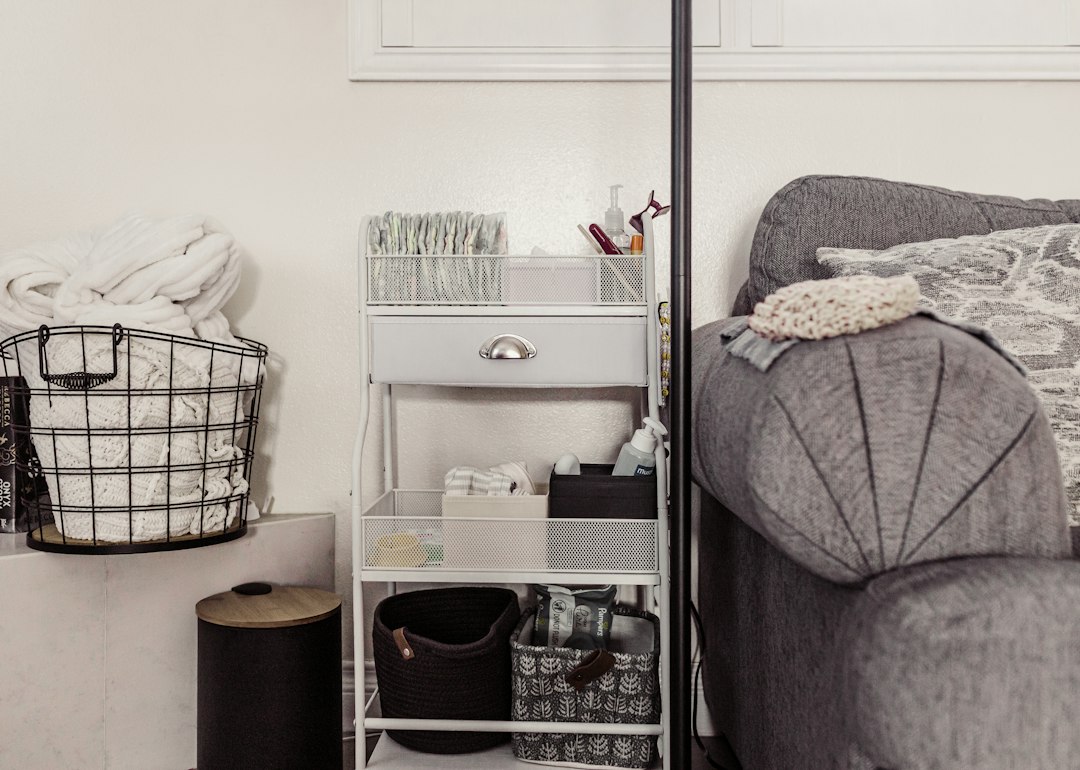
- Use clear bins or labeled baskets inside cabinets for makeup, medicines and grooming tools.
- Mount small shelves or adhesive hooks for extra storage without drilling.
Laundry, garage and storage areas: functional sorting and zoning
These rooms often become long-term dumping grounds. Your aim is functional zones: cleaning supplies, seasonal gear, tools, and donate/sell.
- Create a "drop zone" for items that need decision later, but limit its size and empty it weekly.
- Use clear labels and vertical shelving to readably store bins; heavier items go low, lighter items up high.
Quick troubleshooting and adaptations
- Can't finish a room in one session? Close the door and schedule another timed session within 48 hours.
- Feeling overwhelmed by sentimental clutter? Use the box-and-review method: pack items in a box, label with a revisit date 3–6 months out.
- No space to store donations? Keep a shallow donation bag in the trunk and drop off when it’s full.
Maintenance habits that keep clutter away
After decluttering, adopt three daily habits: five-minute reset (straighten a single room), paper triage (process incoming mail immediately), and a weekly 20-minute tidy session. Systems beat perfect decisions: labeled homes for items and a clear donate routine keep clutter at bay.
- Choose room order and set timed sessions.
- Create Keep / Remove / Trash sorting zones.
- Clear flat surfaces first, then storage spaces.
- Label bins and designate a donation drop spot.
- Use one multi-use storage piece (ottoman or basket) per living area.
- Schedule weekly 20-minute maintenance tidy.
Start at the front door and move inward, using simple decision rules and short timed sessions. Invest in one good hidden-storage piece per common room, set a donate routine, and use brief maintenance habits to keep results lasting.
How long will it take to declutter a whole house?
It depends on size and backlog; expect several weekends for a typical home if you work room by room in timed sessions, or longer if you tackle sentimental and storage areas carefully.
What should I do with items I can’t decide on?
Place them in a labelled box with a review date 3–6 months ahead; if you haven’t missed them by then, they’re safe to donate or sell.
Are storage solutions or decluttering more important?
Decluttering comes first — storage organizes what you keep. Buy storage only after you’ve reduced volume and identified real needs.
How do I involve family members who resist?
Assign each person their own small area and set a short deadline; emphasize the benefits (less time searching, easier cleaning) and make donation decisions optional for sentimental items.
Which room gives the biggest impact when decluttered first?
Entryway and kitchen: clearing these changes daily routines and creates immediate psychological wins that help sustain momentum.