Wishlist

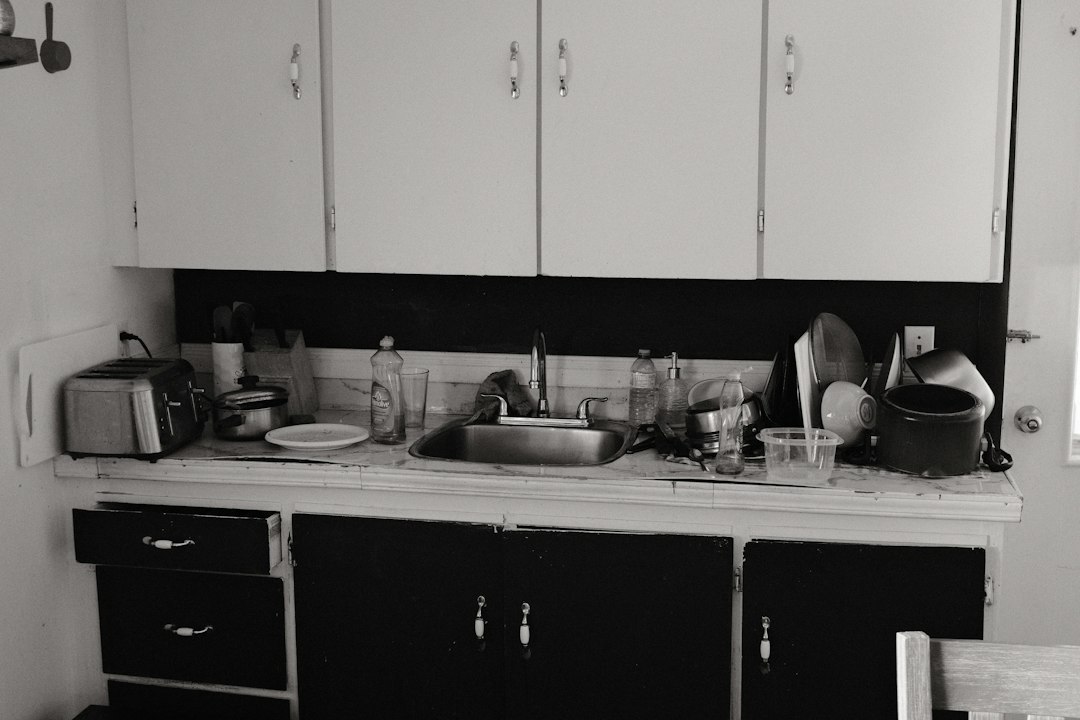
It’s 7:30 p.m., you walk into the living room, trip over a pile of kids’ shoes and realize the side table is stacked with mail, keys and three cups. The room feels cramped not because it’s small, but because every surface is working overtime. To make rooms feel bigger, organization should create breathing room—clear sightlines, free floor space and intentionally chosen storage. Below are 21 practical ideas that will help every room look and feel more spacious.
Think vertically: wall and tall storage that frees floor space
Use tall bookcases, narrow armoires and wall-mounted cabinets to store items without widening the room. Install floating shelves above desks, beds and sofas to move collections off the floor and keep surfaces clear. In bathrooms, over-the-toilet shelving takes advantage of unused vertical real estate.
Practical tip
Anchor tall furniture to the wall and keep heavier pieces against the longest wall to avoid breaking visual flow.
Use storage that disappears: multi-purpose furniture
Choose ottomans with internal storage, benches with cubbies, and coffee tables with drawers. These pieces hide clutter while serving their primary function—so you’re not adding extra furniture just to store things.

Clear sightlines: edit and group instead of hiding everything
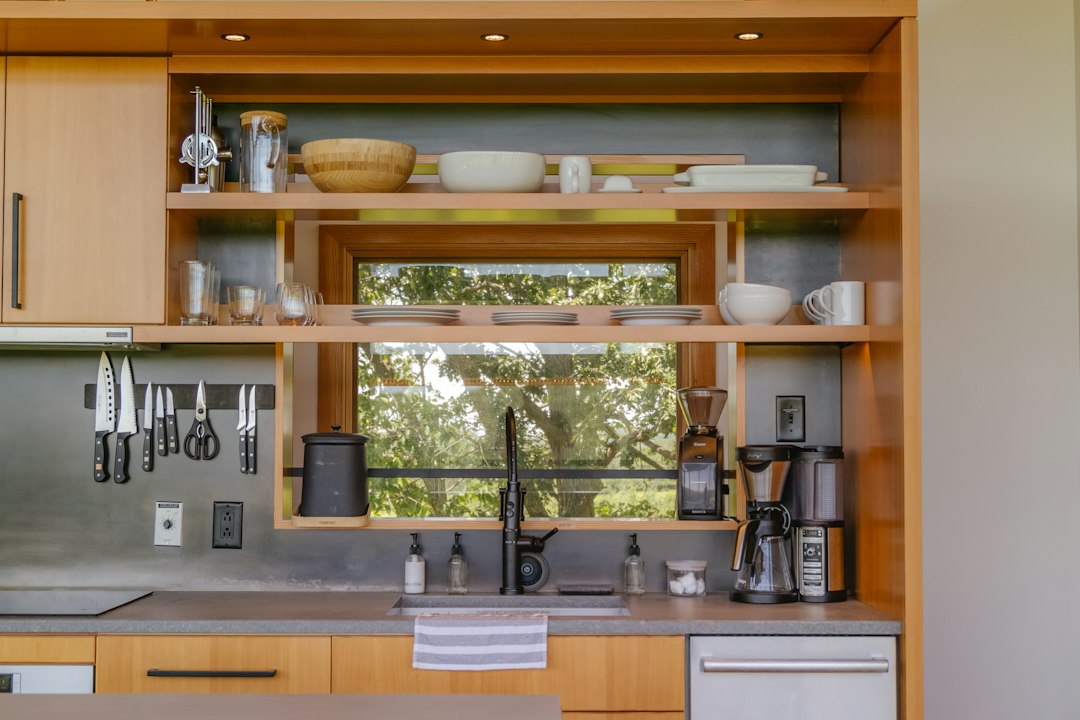
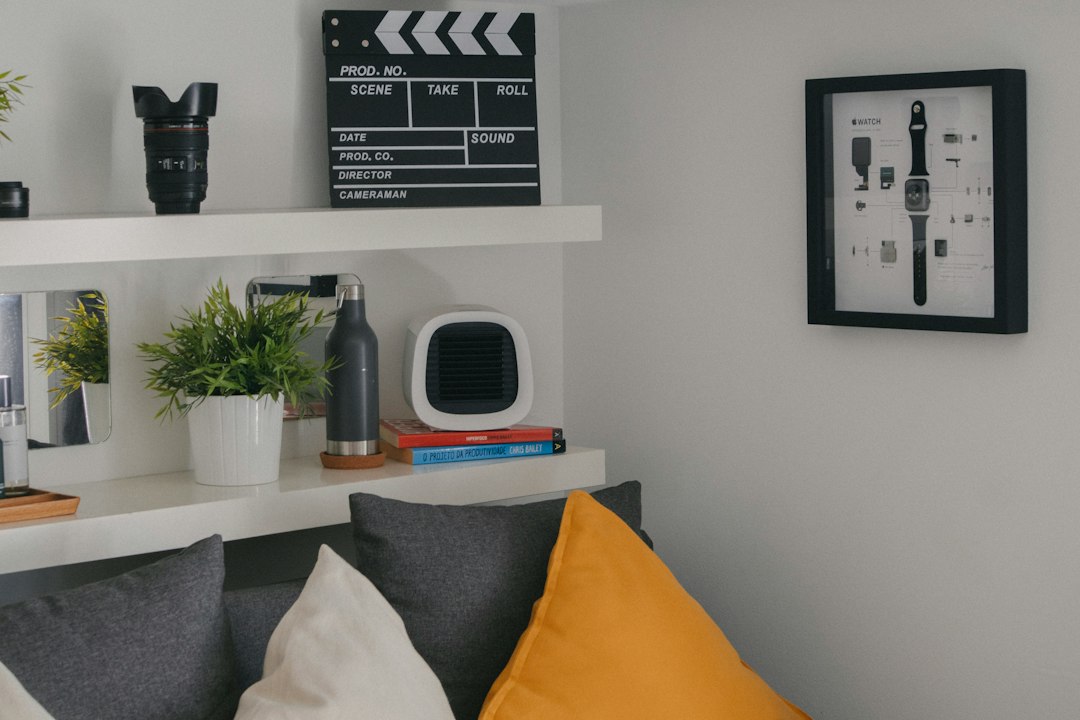
A clear sightline makes a room feel larger instantly. Group a small number of objects on open shelves rather than cramming every item into one space. Rotate seasonal items to avoid visual clutter and keep flat surfaces mostly empty—one lamp and one decorative object is usually enough.
Light-reflecting strategies: mirrors and bright surfaces
Hang a large mirror opposite a window or in narrow hallways to double perceived light and depth. Choose glossy or light-colored cabinets and backsplashes in kitchens to bounce light. Mirrors and bright finishes increase perceived volume more reliably than painting walls a lighter color alone.
Under-bed and under-sofa storage that’s actually accessible
Instead of piling boxes under the bed, use low-profile rolling bins or vacuum bags for out-of-season items. Label the bins and use clear or mesh-sided containers so you can see what’s inside without pulling everything out. The goal is usable hidden storage, not forgotten clutter.
Optimize closets with zones and uniform hangers
Divide closet space into zones: daily wear, seasonal, accessories, and storage. Matching slimline hangers reduce bulk and keep clothes at the same visual plane. Add a second hanging rod or a shoe organizer on the door to double usable closet capacity.
Drawer organization for faster tidy-ups
Use drawer dividers for socks, tools, or kitchen utensils to prevent the “rummage” effect that leaves drawers chaotic. A well-organized drawer reduces the need for countertop storage and keeps frequently used items within reach.
Suggestion: keep a small set of drawer organizers in your office and kitchen drawers so you always have a tidy landing spot for small items.
Open storage with restraint: baskets and boxes that match
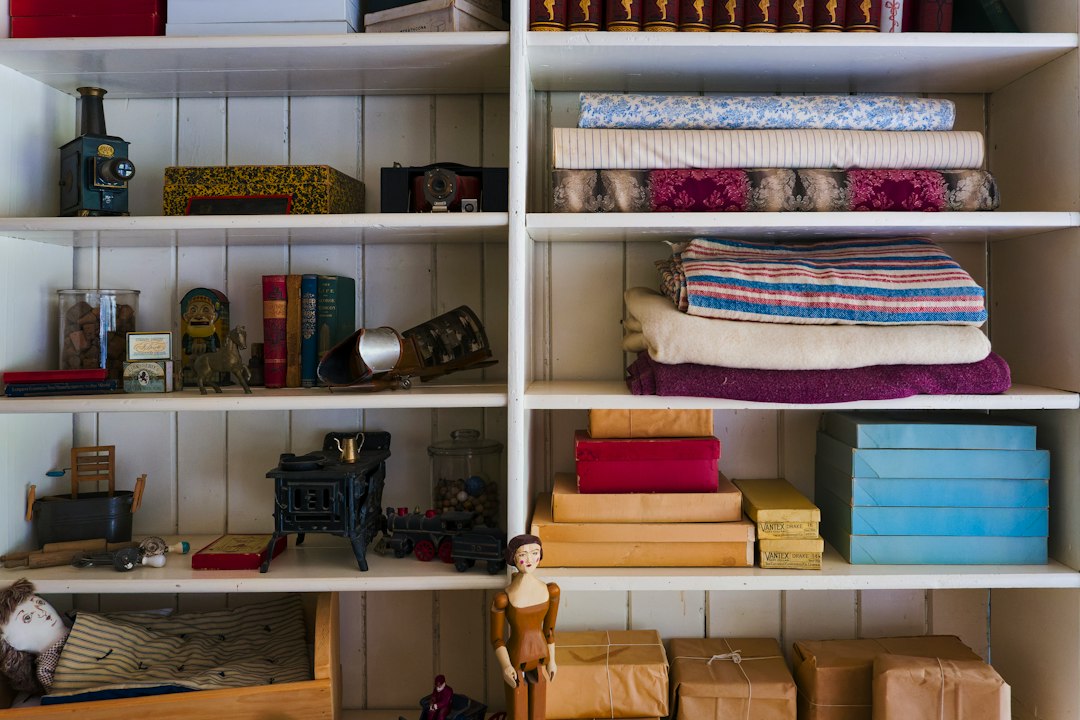
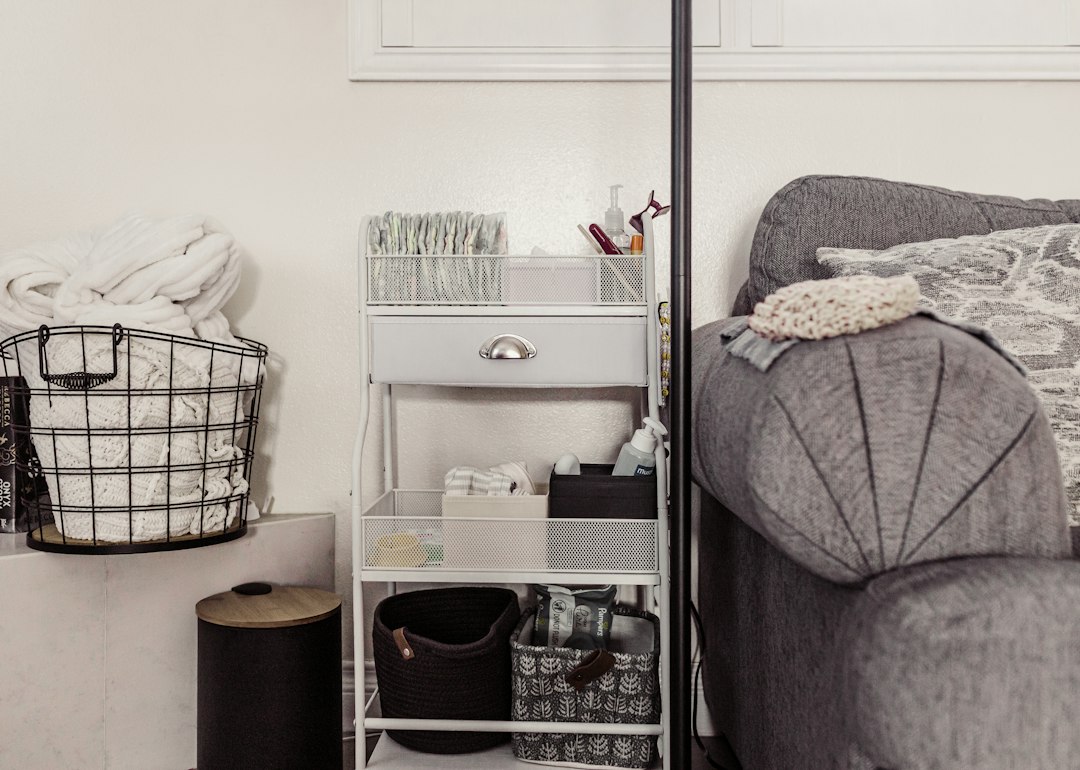
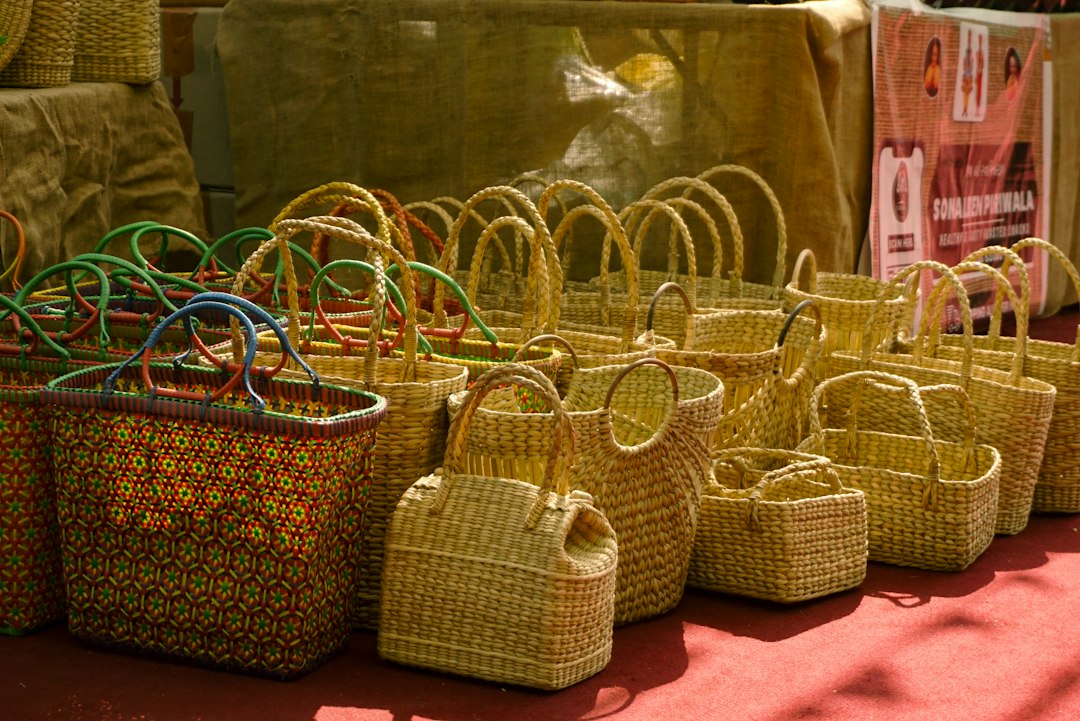
Open shelving looks larger than closed cupboards—but it only works if you keep containers consistent. Use baskets or matching bins to corral loose items on shelves. When everything has a container, the eye reads a simplified surface and the space feels lighter.
Scale furniture to the room size
A large sectional in a small living room swallows space. Opt for a slim-profile sofa, a couple of chairs, or modular seating you can reconfigure. In dining areas, choose a round or extendable table that fits the daily footprint but expands when needed.
Choose clear or leggy furniture
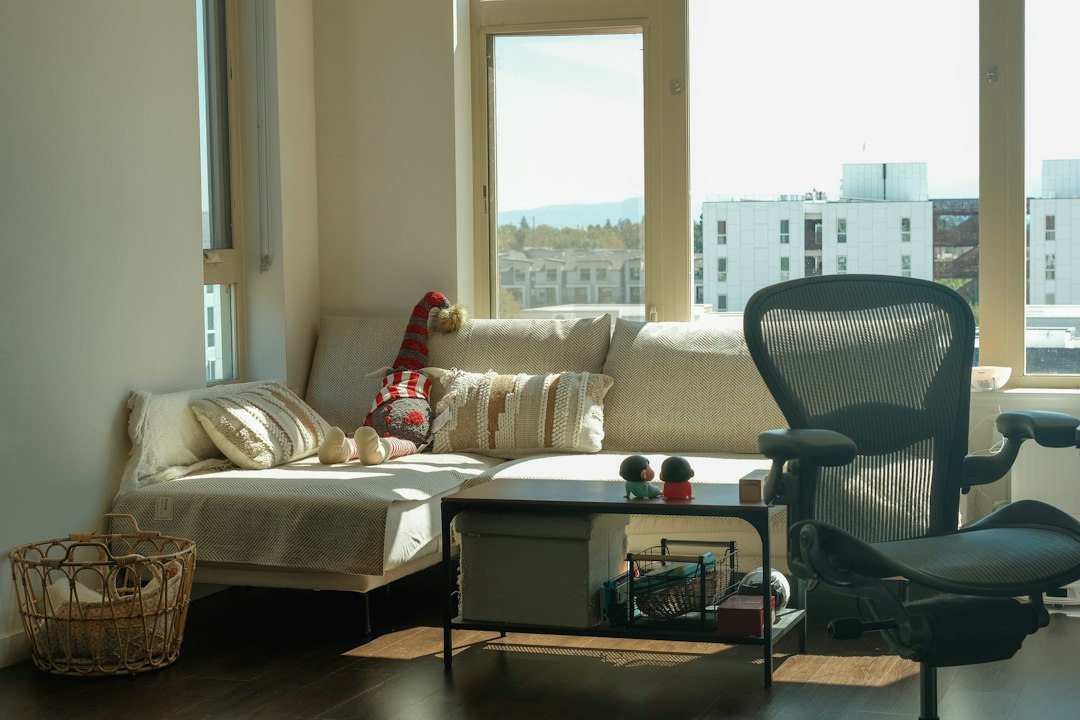
Furniture that shows the floor beneath—furniture with legs, or acrylic pieces—creates more visible floor area and makes rooms feel airier. A glass-top table or a sofa with exposed legs gives the impression of more square footage than solid, blocky pieces.
Smart entryway tricks the eye with a slim console
Replace bulky coat closets by the door with a slim console, a mirror and wall hooks. A narrow bench or cubby keeps shoes and bags near the door without creating a visual barrier to the rest of the home.
Bathroom: prioritize visible order and fewer products
Bathrooms feel tiny when counters are crowded. Store most toiletries in a cabinet or an over-the-toilet shelf and keep only daily essentials on the sink. Use matching dispensers and a tray to keep items contained and visually tidy.
Corral cords and tech to stop the visual chaos
Use a single docking station for phones, a label for chargers, and cable organizers under desks and behind TVs. Hiding power strips behind furniture and routing cords through channels reduces micro-clutter that makes spaces feel busier.
Keep vertical traffic flow clear
Arrange seating and larger pieces so there’s an uninterrupted path across the room. When people can move without squeezing by furniture, the room naturally feels more spacious.
Work zones: compact desks and rolling storage
If you work at home, use a compact desk or a wall-mounted drop-leaf desk and pair it with a rolling file cabinet that tucks away. When the workday ends, close or push the desk accessories out of sight to restore the room’s openness.
Use rugs to define, not clutter
Select rugs that are proportional to the space; a rug that fits all furniture legs creates a single zone and makes the room read as larger than multiple small rugs that chop the floor visually.
Periodic contextual purge beats endless organizing
Set a quarterly schedule to remove items you no longer use. Purging frees storage for essentials and keeps surfaces clear. When every storage spot carries only current, useful items, the whole home feels lighter.
- Identify one bulky item to replace with a scaled alternative
- Add one vertical storage solution this week (shelf, tall bookcase, or over-toilet rack)
- Clear one flat surface and limit it to two decorative items
- Buy matching baskets or bins for open shelves
- Set a 20-minute purge session for one closet or drawer
Small rooms feel bigger when storage reduces visual clutter and preserves clear sightlines. Combine a few smart purchases—like a storage ottoman or drawer organizers—with regular editing and scale-conscious furniture choices to create lasting openness.
Will mirrors really make a room look bigger?
Yes—placed opposite windows or light sources, mirrors reflect light and depth, creating the impression of additional space. Use one large mirror rather than many small ones for the strongest effect.
What’s the easiest change for renters?
Install floating shelves, swap bulky furniture for leggy pieces, and use under-bed storage; these are reversible and make immediate visual impact.
How do I keep open shelves from looking messy?
Group items, use matching baskets or boxes, and leave negative space—don’t overcrowd every shelf level.
Can painting help if organization isn’t enough?
Yes, lighter paint can enhance the effects of good organization, but it works best combined with decluttering and scale adjustments rather than as a stand-alone fix.