Wishlist
A flat with mail spilling on the console and one too many mismatched coffee mugs — sound familiar?
Walk through your home and you’ll see the same small failures: one catch-all basket overwhelmed, a junk drawer that never yields, a closet where the floor is invisible. Use this straightforward home organization checklist to fix those everyday pain points room by room. The focus is practical: quick wins you can do in an hour and deeper fixes that prevent the mess from returning.
Before you start: a simple three-question scan
Do a 10–15 minute walk-through and answer: What surface collects the most stuff? Which storage is overstuffed? Which item would you miss if discarded? Those answers guide which room to tackle first and what level of intervention you need.
Entryway: make arrivals effortless
- Clear the drop zone. Remove everything and keep only daily essentials (keys, bag, shoes) within arm’s reach.
- Assign homes: a tray for keys, a basket for outgoing mail, hooks for coats and bags at reachable height.
- Contain shoes: use a narrow shoe rack or baskets placed under a bench; rotate seasonally to reduce clutter.
- Quick maintenance: five-minute nightly tuck — hang one coat, empty the mail basket, and wipe the console.
Kitchen & pantry: prioritize visibility and zones
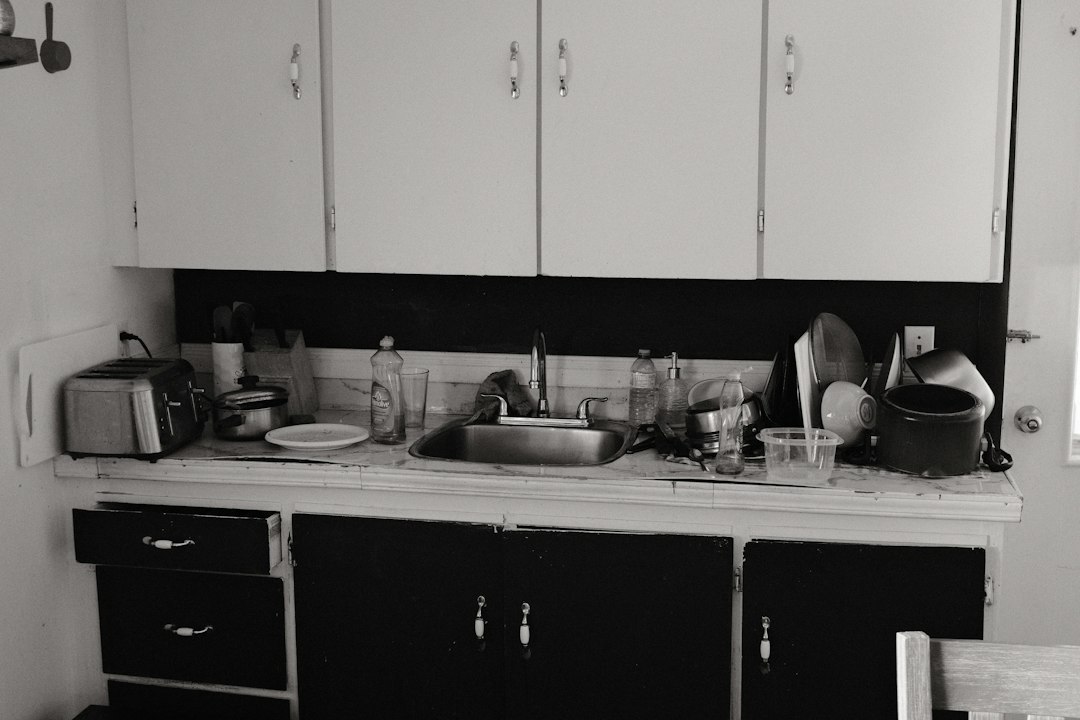
Start with expired-food purge. Then apply these organizing principles:

- Group by use: breakfast, baking, snacks, dinner staples. Keep daily items at eye level.
- Use clear containers for frequently used dry goods and label both container and shelf.
- Create a “prep zone” near prep surface with knives, measuring cups and commonly used oils/spices.
- Reserve one shelf or basket for overflow and one for "donate/consume soon" items.
For oddly shaped items (clingwrap, funnel, bulky pans) designate a single cabinet shelf and use vertical dividers or a lid organizer.
Living room: balance storage and style
- Identify four things that belong in other rooms; return them immediately.
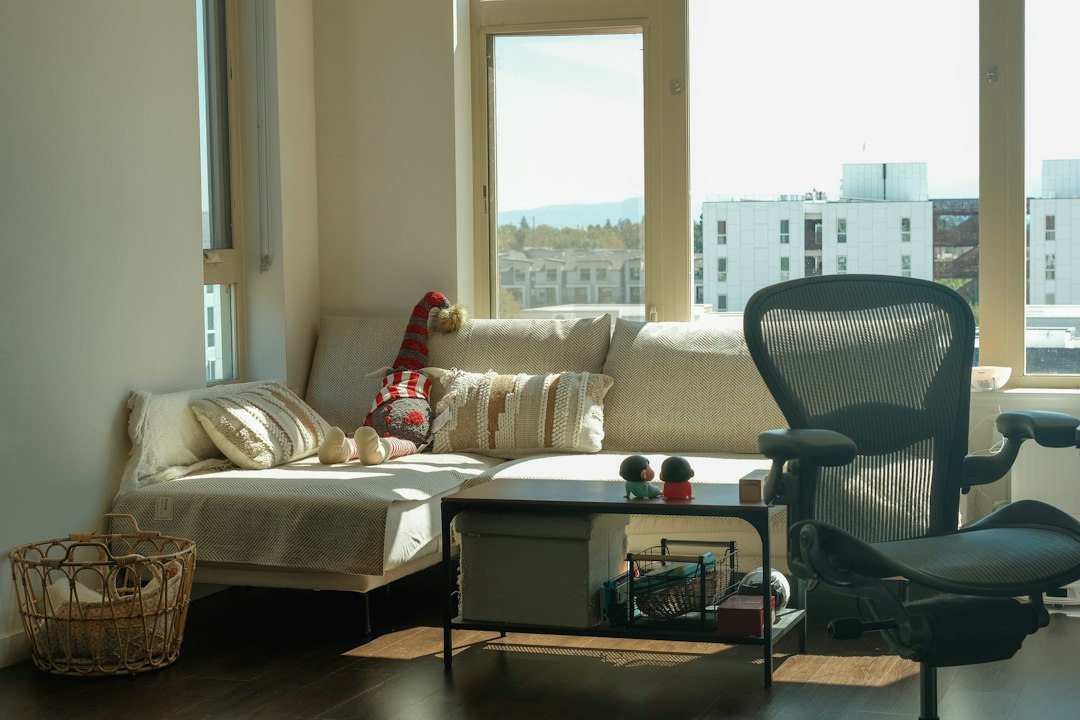
- Use furniture with built-in storage (ottomans, console tables) to hide remotes, blankets and kids’ toys.
- Organize media and papers into labeled bins — keep current reading material on a small tray.
- Adopt a one-in-one-out rule for decorative objects or books if shelves become crowded.
Bedroom and closet: sort, pare, and store for sleep
Tackle the closet in three passes: declutter, categorize, then optimize.
- Declutter: try the 12-month rule — donate items you haven’t worn in a year unless seasonal.
- Categorize by function and color within each category (work, casual, exercise) to speed choices.
- Use uniform hangers and add slim shelf dividers for sweaters; store off-season clothes in labeled bins under the bed.
- Keep one small catch-all tray on your dresser for tonight’s essentials — reduces surface clutter.
Home office: clear surface, clear head
For focused work you need two things visible and everything else out of sight.
- Clear your desktop: keep only the monitor, one notepad and a pen cup.
- Sort the desk drawer into zones: everyday, charging, and supplies. A drawer organizer makes this instant.
- File digital and paper tasks separately — a simple "action" tray for incoming papers and an "archive" vertical file.
When a drawer organizer fits your desk, it vastly reduces time spent digging for small items and keeps pens, clips and chargers immediately accessible.
Bathroom: small space, big payoff
- Empty every cabinet and throw out expired products; group the rest by daily vs. occasional use.
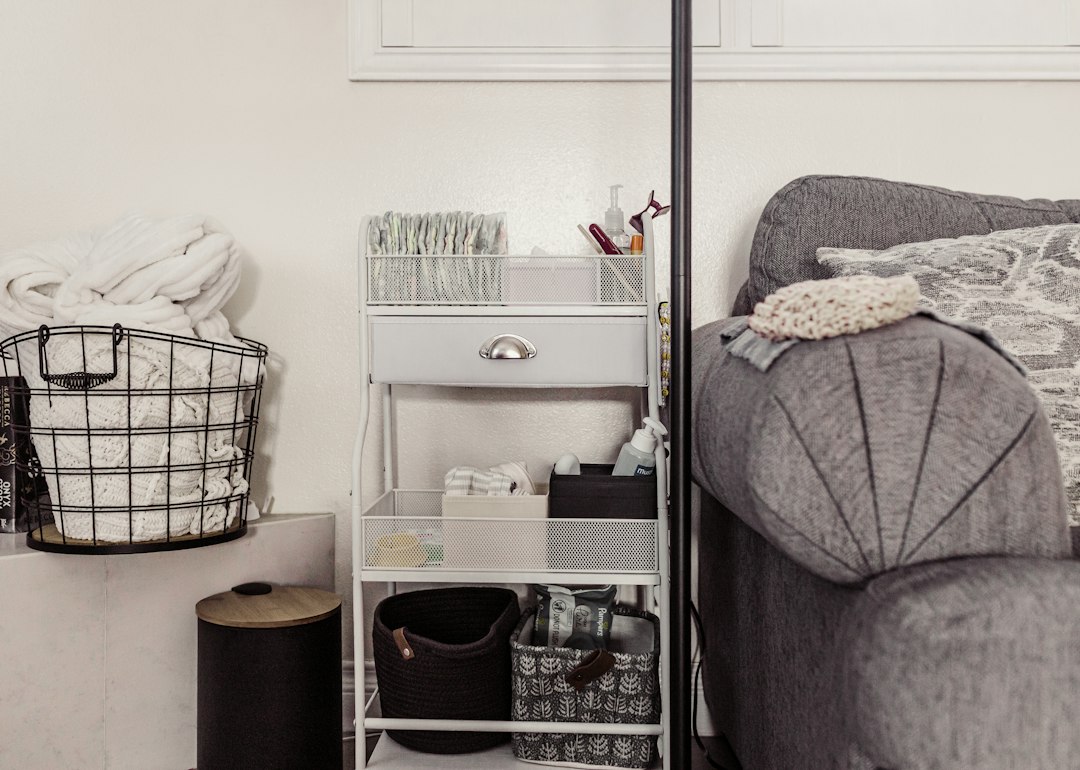
- Install over-the-toilet shelving or a slim cart for towels and backup toiletries to free counters.
- Use clear bins for under-sink items and label each bin: first aid, hair tools, cleaning supplies.
- Keep a small tray on the counter for daily items to make nightly clear-up quick.
Laundry room: speed and separation
- Designate bins for lights, darks and delicates to eliminate pre-sorting stress.
- Keep a small shelf for stain treatments and a drying rack nearby for delicates.
- Use open shelves or wire racks for detergent; store extras in labeled bins to avoid clutter.
Kid zones and playrooms: containment beats perfection
- Sort toys into like-with-like bins (vehicles, blocks, art supplies) and label with words or pictures.
- Rotate: keep a third of toys out at a time and switch monthly to renew interest.
- Use low, open storage so kids can put things away independently.
Basement, garage or storage: make retrieval easy
Map the space: create broad categories (seasonal, tools, sports) and store them visibly. Keep heavy items low and label every shelf. If you have a lot to store, photograph the contents of each bin and keep that index on your phone.
- Do a 10–15 minute walk-through and pick one problem surface to clear tonight.
- Remove expired or unused items before buying storage solutions.
- Assign a "home" for daily items in every room and label it.
- Use contained storage (bins, baskets, drawer organizers) for small items.
- Schedule a 30-minute weekly tidy to maintain order.
Work room by room: declutter first, then add storage that matches how you actually use the space. Prioritize visibility, zones and a simple nightly habit to keep things organized.
What room should I organize first?
Start where clutter creates the most daily friction — often the entryway or kitchen — because quick wins there have the biggest behavioral payoff.
How much time should I set aside per session?
Use 25–60 minute focused sessions. Short, consistent work prevents burnout and makes the process sustainable.
Are storage bins worth buying?
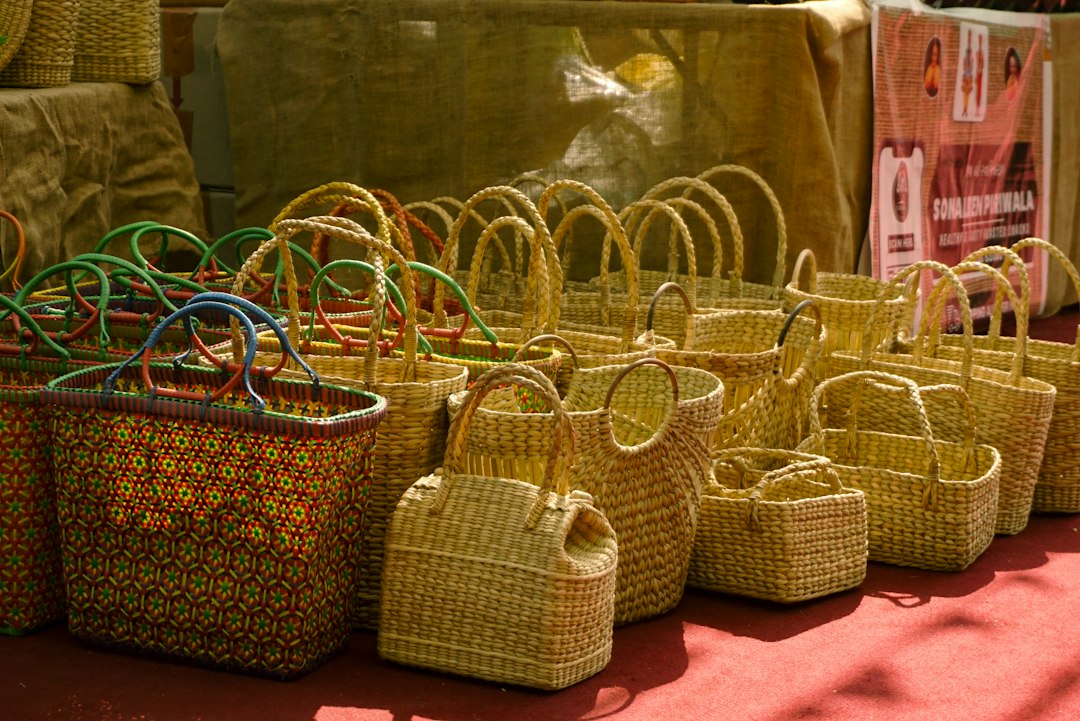
Yes, but only after decluttering. Bins and baskets help when they match the volume of items you need to store and fit the shelf dimensions.
How do I keep kids involved in tidying?
Use low bins with picture labels and turn tidying into a 5-minute game with a timer; consistency matters more than perfection.
What if I’m short on storage space?
Prioritize vertical storage, multi-use furniture and under-bed bins, and regularly purge to avoid keeping things you don’t use.