Wishlist
What you’ll have after 15 minutes a day
If you do one short, focused session every day, your home will stay noticeably tidier: surfaces clear, small piles handled before they compound, and routines that keep the laundry, mail and kid gear from spiraling out of control. The key is not deep cleaning in 15 minutes but preventing the mess from forming.
Choose a reliable 15-minute rhythm that fits your day
Decide when those 15 minutes will happen and attach them to something you already do. Common anchors: after morning coffee, right after work, or before bed. Pick one window and stick to it for two weeks to make it a habit; adjusting later is fine, but consistency first.
Build a short, high-impact checklist (the daily flow)
Use this sequence each session. It’s designed to clear visual clutter quickly and reduce friction for the next day.
- Set a 15-minute timer. Limits perfectionism and creates urgency.
- Quick sweep of visible surfaces (5 minutes). Counters, sofa, dining table, kitchen island. Put misplaced items into two temporary piles: “put away” and “donate/decide.”
- Put away essentials (5 minutes). Carry the “put away” pile through the home and return each item to its place. If something lacks a home, put it in a short-term “landing” basket and schedule a home for it later.
- Tidy one trouble spot (3 minutes). Pick the area that usually collapses overnight — entryway shoes, a junk drawer, or the top of the dresser — and use the full time there.
- Finish with a reset action (2 minutes). Wipe one key surface, start a load of laundry, or empty the dishwasher. This small follow-through prevents immediate re-cluttering.
Clearing surfaces first makes the rest of the home look better immediately. Carrying items to their place turns passive tidying into completed tasks. The brief focused task tackles the stubborn spot that otherwise grows unnoticed.
Set up tools that shorten decision time
Reduce moments where you ask “What do I do with this?” with three simple supports:
- One small landing basket per floor. Drop items that don’t have an immediate home and process the basket weekly.
- Visible bins for recurring categories. A shoe basket by the door, a mail tray on a console, and a charging station keep everyday items from migrating across surfaces.
- A timer app or simple kitchen timer. Fifteen minutes feels short when you’re distracted; the timer enforces focus.
Make one small product choice that pays off
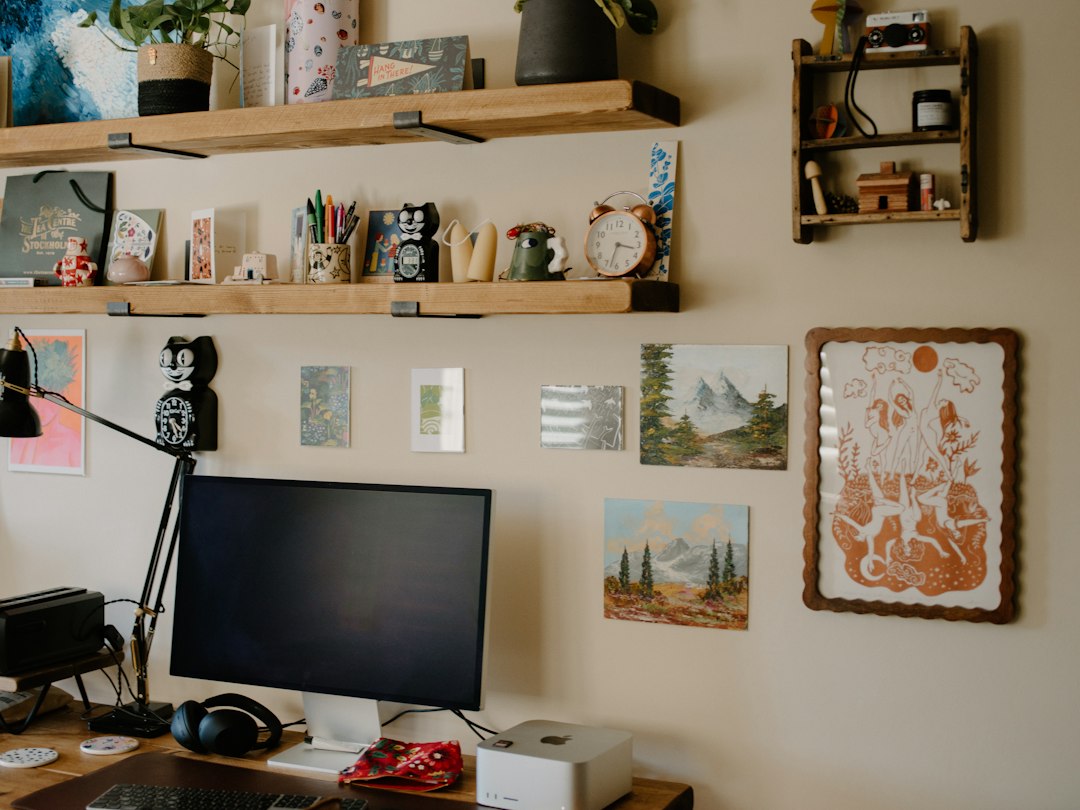
If your home has pockets of desk or countertop clutter, a compact under-desk drawer or slide-out under-desk organizer turns loose items into out-of-sight storage without a big furniture change. It’s especially useful for home offices and work-from-home setups.
Adapt the routine by room and rhythm
Not every room needs the same actions. Tailor the 15-minute session to the highest-impact areas on a rotating schedule so you don’t burn out doing the same surface over and over.

- Kitchen-focused day: Clear counters, load dishwasher, wipe high-touch spots.
- Entryway day: Corral shoes, hang coats, and sort mail.
- Bedroom day: Make the bed, put away clothes, check under-bed boxes for stray items.
- Bathroom day: Clear toiletries, replace towels, wipe sink and mirror.
Dealing with common obstacles
- No energy: Switch the session to a less demanding anchor—do the 15 minutes right after brushing teeth instead of after dinner.
- Too much to handle: Allow yourself to triage: put items you can’t resolve now into the landing basket and move on. Schedule a 30–60 minute “decide” session once a week.
- Family members don’t join in: Give them one small, clear role—put shoes away, unload dishes, or a 3-minute tidy of their personal area. Small asks make participation more likely.
Weekly and monthly add-ons that multiply the daily work
The daily 15 minutes is the baseline. Add one longer task weekly (30–60 minutes) to handle decisions the landing basket collected: donate, return, or re-home. Monthly, check storage solutions and relocate anything that still causes friction.
How to know if the plan is working
After two weeks, ask: are counters clearer in the evening? Are you spending less time on laundry day? If yes, keep the routine. If not, tighten the rules: reduce “decide later” to once per week and enforce a single landing basket processing slot.
- Set a consistent time and use a 15-minute timer.
- Clear visible surfaces into “put away” and “decide” piles.
- Return items to their home or the landing basket.
- Tidy one recurring trouble spot each day.
- Finish with a start/finish action (load dishwasher, start laundry).
Commit to one 15-minute slot tied to an existing habit, use a landing basket and a small set of visible bins to reduce decision fatigue, and rotate focused areas. That short daily investment prevents the work of twice-weekly or monthly deep cleans.
What if I miss a day?
Skip without guilt and resume the next day. If misses become frequent, try a different anchor or shorten the session to 10 minutes to rebuild routine.
Can 15 minutes replace a weekly deep clean?
No. The daily 15 minutes prevents small messes; keep a separate weekly session for deeper tasks like vacuuming, bathrooms, and sorting the landing basket.
How to stop the landing basket from overflowing?
Schedule a fixed weekly time (30–60 minutes) to process it: decide, donate, or assign homes for items that keep recurring.
Should I involve kids and partners?
Yes—give short, specific tasks and keep expectations small. A two-minute shoe round or three-minute toy put-away works better than vague requests.
Which rooms benefit most from the routine?
High-traffic surfaces: kitchen counters, entryway, living room sofa/dining table, and home office desk show the biggest visible improvement.