Wishlist
Start simple: why under-bed storage works (and when it doesn't)
Bedrooms are often short on closet and drawer space, and the area under a bed is usually wasted. Using under-bed storage ideas correctly turns that dead zone into an organized reserve for seasonal clothing, shoes, linens and gear. It’s not a cure-all: if your bed sits on a platform with no clearance, or you need frequent access to items, other solutions may be better. For most rooms with at least 4–6 inches of clearance, under-bed storage is one of the highest-value, low-cost options.
1. Clear low-profile plastic bins for visibility and easy sorting
Clear bins let you see contents at a glance—ideal for linens, kid’s clothes or extra bedding. Choose low-profile sizes (about 4–7" tall) that slide under the bed without scraping the floor. Use labels on the short ends rather than lids so you can read them when bins are pushed in.
2. Rolling drawers for frequent-access items
If you open the same box weekly, a rolling drawer or wheeled crate saves kneeling and lifting. Place heavier items like shoes or toolboxes in a sturdy wheeled drawer; lighter things fit in plastic tubs with caster kits. Rolling solutions reduce strain and keep the floor clear.
3. Vacuum-seal bags to compress seasonal clothes and bulky bedding
Vacuum bags cut bulky comforters and sweaters to a fraction of their size. They’re best for truly seasonal storage—pack, vacuum, and tuck away until the next season. Remember to keep a small packet of desiccant in each bag if you live in humid climates to prevent mildew.
4. Fabric zip bags for breathable, softer items
For knits and items that need airflow, choose fabric storage bags with zip closures. They are lighter than plastic and often compressible while allowing textiles to breathe—good for delicate sweaters, scarves, and extra pillowcases.
5. Shoe organizers sized for under-bed use
Shoe racks and flat zip shoe bags keep pairs paired and protect floors from dirt. Look for clear-front models or individual pockets so you can grab the pair you want. Storing shoes under the bed frees closet floor space and keeps shoes out of sight but accessible.
6. Bed risers to increase usable height
If clearance is the limiting factor, bed risers are a cheap, reversible fix. Raising the bed 3–6 inches opens up space for deeper bins or multiple layers. Pick risers rated for your mattress weight and avoid stacking unstable combinations—safety matters more than a couple extra inches.
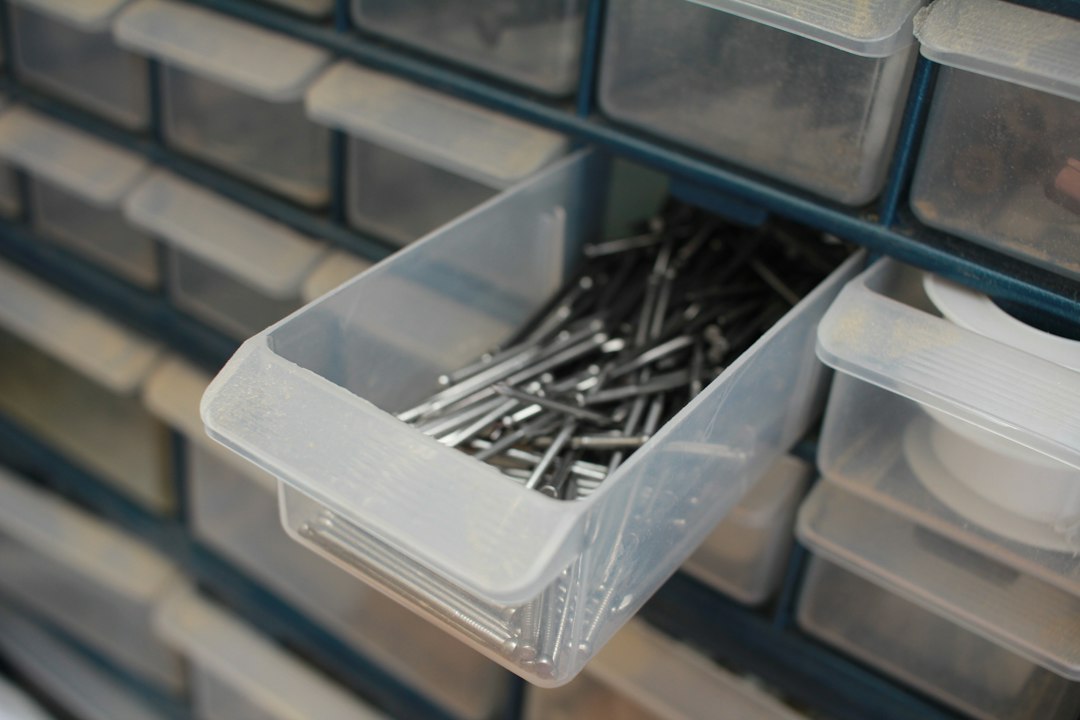
7. Drawer dividers and small containers for small-item control
Under-bed space is often used for small or irregular items—toys, cords, craft supplies. Use small compartment trays or dividers inside a larger low-profile bin so things don’t turn into a jumbled mess. This makes retrieval faster and keeps the bin usable.
8. Rolling garment racks under the bed for hanging clothes
Short, low hanging racks with wheels can hold delicate garments you don't want folded. They’re a niche solution—great for theatrical costumes, suits between wearings, or delicate dresses that need to lie flat. Make sure your bed has enough clearance and the rack width fits the opening.
9. Use slim metal or plastic crates for heavy items
Metal or rigid plastic crates resist sagging under heavy loads like books, records, or tools. They slide easily and are stackable if you have deep clearance. Line them with felt or fabric to protect delicate items and avoid noisy dragging on hardwood floors.
10. Dedicated storage for kids’ toys and out-of-season gear
Assign one or two under-bed bins for toys, sports gear, or classroom supplies. For children, low-profile boxes with soft lids are safer than rigid plastic. Label with pictures for pre-readers and rotate toys seasonally—this keeps the visible play area tidy and makes clean-up predictable.
11. Use labeled trays and a retrieval plan to avoid “out of sight, out of mind”
The biggest risk with under-bed storage is forgetting what’s there. Keep an index—either a quick paper list on the box lid or a simple notes app entry with item descriptions. When you remove something, update the list. This small habit saves duplicate purchases and keeps space useful.
Recommended: a large-capacity under-bed storage container is perfect for linens and bulky items when you need durable, easy-to-pull bins. Use it with a label on the short end and keep one bin per category (bedding, shoes, seasonal clothes) to simplify retrieval.
12. Tuck cables, papers and small valuables in lockable under-bed boxes
For sensitive items—passports, tax paperwork, spare keys—choose a slim lockable box. This keeps them secure and still accessible. Store valuables near the head of the bed for easier access and avoid putting anything that could be damaged by humidity directly on the floor.

- Measure clearance height and width at the foot and sides of the bed.
- Decide whether visibility (clear bins) or breathability (fabric bags) matters more.
- Choose mobility: wheels for frequent access, fixed bins for long-term storage.
- Pick one category to store first and label clearly on the short end.
- Consider bed risers if you need deeper or multiple stacked bins.
Under-bed storage offers a high return for little cost when you match the container type to what you’re storing and how often you need it. Start with a single, well-labeled bin and add rolling drawers or risers only if you need easier access or more height.
Will under-bed storage cause dust or mildew?
Proper containers reduce dust; use fabric bags or bags with ventilation for textiles and desiccant packs in vacuum bags if humidity is a concern. Regularly air and inspect stored items.
What clearance height do I need?
Low-profile bins need about 4–7 inches. Rolling drawers and deeper bins generally require 8–12 inches—measure your bed frame before buying.
Are bed risers safe to use?
Yes if you choose risers rated for your bed’s weight and install them evenly; avoid stacking insecure objects and check stability after lifting.
How do I keep under-bed storage from becoming junk?
Use an index or label system, store only one type of item per bin, and schedule a quick review each season to purge or rotate contents.
Which product should I buy first?
Start with a clear low-profile bin or the large-capacity under-bed storage container recommended above if you need durable, general-purpose storage for linens or bulky items.